How the the War in Iran Is Redrawing the Global Energy Map
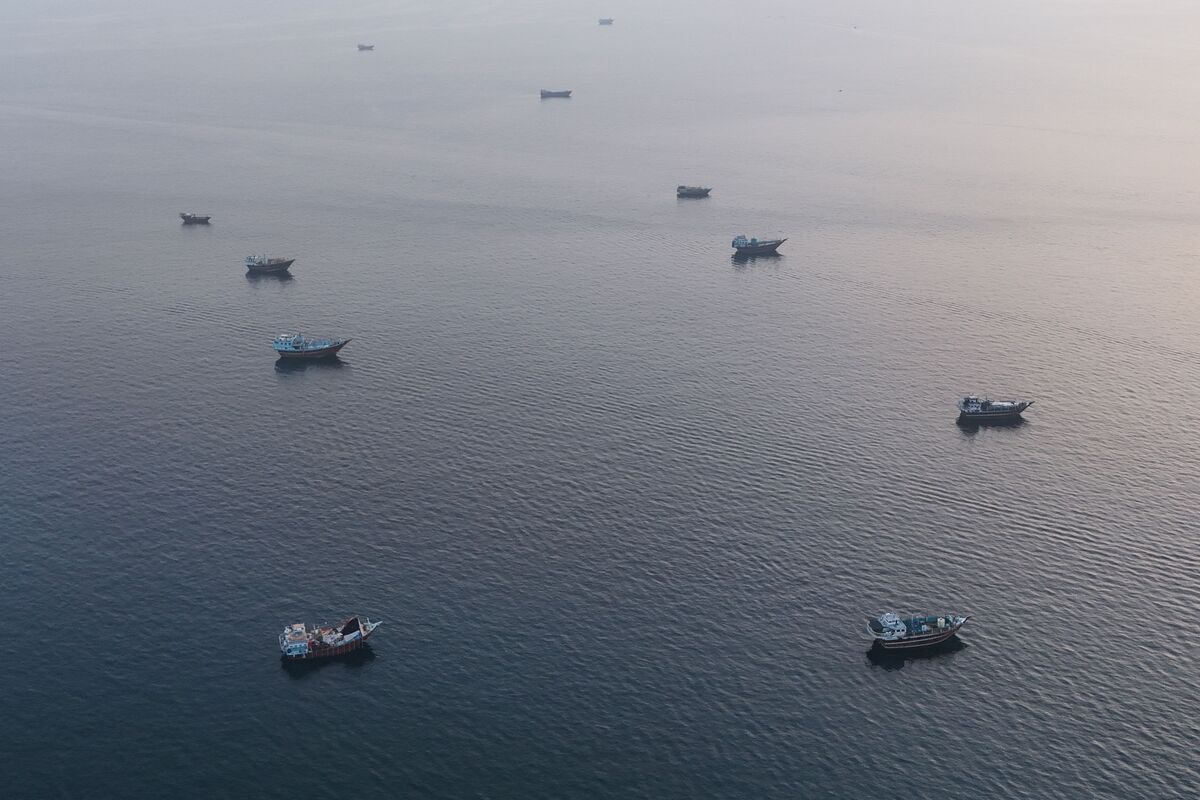
Connecting decision makers to a dynamic network of information, people and ideas, Bloomberg quickly and accurately delivers business and financial information, news and insight around the world A series of new reports shows who has benefitted — and lost — from the conflict’s disruptions. Ships anchored off Oman's northern Musandam Peninsula near the Strait of Hormuz. Six months after US-Israeli strikes disrupted Middle Eastern fossil fuel production and turned the Strait of Hormuz into a naval battleground, the world is getting a fuller picture of how the Iran war has reshaped the economics of energy. A handful of new reports show how, by dramatically raising fossil-fuel prices, the conflict has also been pushing governments, companies and consumers towards renewable energy, with a clear set of winners and losers emerging.
Missing media or need the complete publisher report? Open Bloomberg ↗
SN
Scoop News DeskIran · Published Updated
Media link supplied by the Scoop Newsroom app.
Scoop News reporting summary
The text below was supplied by the Scoop Newsroom app. Third-party reporting is attributed in the source panel.
No additional independently verified detail is available beyond the summary above. The original reporting remains linked in the source panel.