Supreme Court temporarily allows Trump ballroom construction to continue
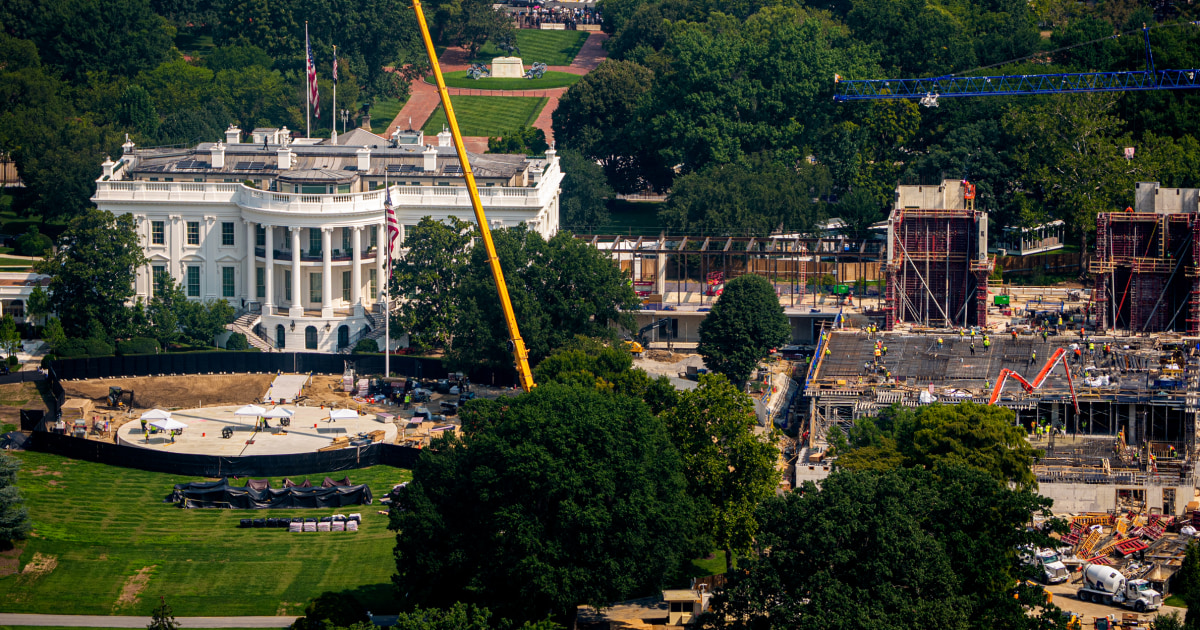
WASHINGTON — The Supreme Court on Friday allowed President Donald Trump to continue constructing, at least for now, a new ballroom adjoining the White House. Chief Justice John Roberts issued a temporary stay that blocks lower court rulings that would have put the aboveground portion of the project on hold. But the decision is only provisional, giving the justices more time to consider next steps. The legal challenge has been brought by the National Trust for Historic Preservation, which argued that the president did not have authority to demolish the East Wing of the White House and build a ballroom. One key issue in the case is whether the trust has legal standing to sue based on one of its members objecting on aesthetic grounds. “To be clear, this is not a final decision on the merits of the government’s stay application, and we await further action,” a trust spokesman said.
Missing media or need the complete publisher report? Open NBC News ↗
SN
Scoop News DeskWashington · Published Updated
Media link supplied by the Scoop Newsroom app.
Scoop News reporting summary
The text below was supplied by the Scoop Newsroom app. Third-party reporting is attributed in the source panel.
Court of Appeals for the District of Columbia Circuit upheld that decision, setting the deadline of Friday for construction to halt unless the Supreme Court intervened.
Dated changes to this report are shown here as they are published.
Version 2unpublished
Removed by Scoop Timeline eligibility policy
Version 3published
WASHINGTON — The Supreme Court on Friday allowed President Donald Trump to continue constructing, at least for now, a new ballroom adjoining the White House. Chief Justice John Roberts issued a temporary stay that blocks lower court rulings that would have put the aboveground portion of the project on hold. But the decision is only provisional, giving the justices more time to consider next steps. The legal challenge has been brought by the National Trust for Historic Preservation, which argued that the president did not have authority to demolish the East Wing of the White House and build a ballroom. One key issue in the case is whether the trust has legal standing to sue based on one of its members objecting on aesthetic grounds. “To be clear, this is not a final decision on the merits of the government’s stay application, and we await further action,” a trust spokesman said.
Version 4unpublished
Removed by Scoop Timeline eligibility policy
Version 5published
WASHINGTON — The Supreme Court on Friday allowed President Donald Trump to continue constructing, at least for now, a new ballroom adjoining the White House. Chief Justice John Roberts issued a temporary stay that blocks lower court rulings that would have put the aboveground portion of the project on hold. But the decision is only provisional, giving the justices more time to consider next steps. The legal challenge has been brought by the National Trust for Historic Preservation, which argued that the president did not have authority to demolish the East Wing of the White House and build a ballroom. One key issue in the case is whether the trust has legal standing to sue based on one of its members objecting on aesthetic grounds. “To be clear, this is not a final decision on the merits of the government’s stay application, and we await further action,” a trust spokesman said.
Version 6unpublished
Removed by Scoop Timeline eligibility policy
Version 7published
WASHINGTON — The Supreme Court on Friday allowed President Donald Trump to continue constructing, at least for now, a new ballroom adjoining the White House. Chief Justice John Roberts issued a temporary stay that blocks lower court rulings that would have put the aboveground portion of the project on hold. But the decision is only provisional, giving the justices more time to consider next steps. The legal challenge has been brought by the National Trust for Historic Preservation, which argued that the president did not have authority to demolish the East Wing of the White House and build a ballroom. One key issue in the case is whether the trust has legal standing to sue based on one of its members objecting on aesthetic grounds. “To be clear, this is not a final decision on the merits of the government’s stay application, and we await further action,” a trust spokesman said.
Version 8unpublished
Removed by Scoop Timeline eligibility policy
Version 9published
WASHINGTON — The Supreme Court on Friday allowed President Donald Trump to continue constructing, at least for now, a new ballroom adjoining the White House. Chief Justice John Roberts issued a temporary stay that blocks lower court rulings that would have put the aboveground portion of the project on hold. But the decision is only provisional, giving the justices more time to consider next steps. The legal challenge has been brought by the National Trust for Historic Preservation, which argued that the president did not have authority to demolish the East Wing of the White House and build a ballroom. One key issue in the case is whether the trust has legal standing to sue based on one of its members objecting on aesthetic grounds. “To be clear, this is not a final decision on the merits of the government’s stay application, and we await further action,” a trust spokesman said.
Version 10unpublished
Removed by Scoop Timeline eligibility policy
Version 11published
WASHINGTON — The Supreme Court on Friday allowed President Donald Trump to continue constructing, at least for now, a new ballroom adjoining the White House. Chief Justice John Roberts issued a temporary stay that blocks lower court rulings that would have put the aboveground portion of the project on hold. But the decision is only provisional, giving the justices more time to consider next steps. The legal challenge has been brought by the National Trust for Historic Preservation, which argued that the president did not have authority to demolish the East Wing of the White House and build a ballroom. One key issue in the case is whether the trust has legal standing to sue based on one of its members objecting on aesthetic grounds. “To be clear, this is not a final decision on the merits of the government’s stay application, and we await further action,” a trust spokesman said.
Version 12unpublished
Removed by Scoop Timeline eligibility policy
Version 13published
WASHINGTON — The Supreme Court on Friday allowed President Donald Trump to continue constructing, at least for now, a new ballroom adjoining the White House. Chief Justice John Roberts issued a temporary stay that blocks lower court rulings that would have put the aboveground portion of the project on hold. But the decision is only provisional, giving the justices more time to consider next steps. The legal challenge has been brought by the National Trust for Historic Preservation, which argued that the president did not have authority to demolish the East Wing of the White House and build a ballroom. One key issue in the case is whether the trust has legal standing to sue based on one of its members objecting on aesthetic grounds. “To be clear, this is not a final decision on the merits of the government’s stay application, and we await further action,” a trust spokesman said.
Version 14unpublished
Removed by Scoop Timeline eligibility policy
Version 15published
WASHINGTON — The Supreme Court on Friday allowed President Donald Trump to continue constructing, at least for now, a new ballroom adjoining the White House. Chief Justice John Roberts issued a temporary stay that blocks lower court rulings that would have put the aboveground portion of the project on hold. But the decision is only provisional, giving the justices more time to consider next steps. The legal challenge has been brought by the National Trust for Historic Preservation, which argued that the president did not have authority to demolish the East Wing of the White House and build a ballroom. One key issue in the case is whether the trust has legal standing to sue based on one of its members objecting on aesthetic grounds. “To be clear, this is not a final decision on the merits of the government’s stay application, and we await further action,” a trust spokesman said.
Version 16unpublished
Removed by Scoop Timeline eligibility policy
Version 17published
WASHINGTON — The Supreme Court on Friday allowed President Donald Trump to continue constructing, at least for now, a new ballroom adjoining the White House. Chief Justice John Roberts issued a temporary stay that blocks lower court rulings that would have put the aboveground portion of the project on hold. But the decision is only provisional, giving the justices more time to consider next steps. The legal challenge has been brought by the National Trust for Historic Preservation, which argued that the president did not have authority to demolish the East Wing of the White House and build a ballroom. One key issue in the case is whether the trust has legal standing to sue based on one of its members objecting on aesthetic grounds. “To be clear, this is not a final decision on the merits of the government’s stay application, and we await further action,” a trust spokesman said.
Version 18unpublished
Removed by Scoop Timeline eligibility policy
Version 19published
WASHINGTON — The Supreme Court on Friday allowed President Donald Trump to continue constructing, at least for now, a new ballroom adjoining the White House. Chief Justice John Roberts issued a temporary stay that blocks lower court rulings that would have put the aboveground portion of the project on hold. But the decision is only provisional, giving the justices more time to consider next steps. The legal challenge has been brought by the National Trust for Historic Preservation, which argued that the president did not have authority to demolish the East Wing of the White House and build a ballroom. One key issue in the case is whether the trust has legal standing to sue based on one of its members objecting on aesthetic grounds. “To be clear, this is not a final decision on the merits of the government’s stay application, and we await further action,” a trust spokesman said.
Version 20unpublished
Removed by Scoop Timeline eligibility policy
Version 21published
WASHINGTON — The Supreme Court on Friday allowed President Donald Trump to continue constructing, at least for now, a new ballroom adjoining the White House. Chief Justice John Roberts issued a temporary stay that blocks lower court rulings that would have put the aboveground portion of the project on hold. But the decision is only provisional, giving the justices more time to consider next steps. The legal challenge has been brought by the National Trust for Historic Preservation, which argued that the president did not have authority to demolish the East Wing of the White House and build a ballroom. One key issue in the case is whether the trust has legal standing to sue based on one of its members objecting on aesthetic grounds. “To be clear, this is not a final decision on the merits of the government’s stay application, and we await further action,” a trust spokesman said.
Version 22unpublished
Removed by Scoop Timeline eligibility policy
Version 23published
WASHINGTON — The Supreme Court on Friday allowed President Donald Trump to continue constructing, at least for now, a new ballroom adjoining the White House. Chief Justice John Roberts issued a temporary stay that blocks lower court rulings that would have put the aboveground portion of the project on hold. But the decision is only provisional, giving the justices more time to consider next steps. The legal challenge has been brought by the National Trust for Historic Preservation, which argued that the president did not have authority to demolish the East Wing of the White House and build a ballroom. One key issue in the case is whether the trust has legal standing to sue based on one of its members objecting on aesthetic grounds. “To be clear, this is not a final decision on the merits of the government’s stay application, and we await further action,” a trust spokesman said.
Version 24unpublished
Removed by Scoop Timeline eligibility policy
Version 25published
WASHINGTON — The Supreme Court on Friday allowed President Donald Trump to continue constructing, at least for now, a new ballroom adjoining the White House. Chief Justice John Roberts issued a temporary stay that blocks lower court rulings that would have put the aboveground portion of the project on hold. But the decision is only provisional, giving the justices more time to consider next steps. The legal challenge has been brought by the National Trust for Historic Preservation, which argued that the president did not have authority to demolish the East Wing of the White House and build a ballroom. One key issue in the case is whether the trust has legal standing to sue based on one of its members objecting on aesthetic grounds. “To be clear, this is not a final decision on the merits of the government’s stay application, and we await further action,” a trust spokesman said.
Version 26unpublished
Removed by Scoop Timeline eligibility policy
Version 27published
WASHINGTON — The Supreme Court on Friday allowed President Donald Trump to continue constructing, at least for now, a new ballroom adjoining the White House. Chief Justice John Roberts issued a temporary stay that blocks lower court rulings that would have put the aboveground portion of the project on hold. But the decision is only provisional, giving the justices more time to consider next steps. The legal challenge has been brought by the National Trust for Historic Preservation, which argued that the president did not have authority to demolish the East Wing of the White House and build a ballroom. One key issue in the case is whether the trust has legal standing to sue based on one of its members objecting on aesthetic grounds. “To be clear, this is not a final decision on the merits of the government’s stay application, and we await further action,” a trust spokesman said.
Version 28unpublished
Removed by Scoop Timeline eligibility policy
Version 29published
WASHINGTON — The Supreme Court on Friday allowed President Donald Trump to continue constructing, at least for now, a new ballroom adjoining the White House. Chief Justice John Roberts issued a temporary stay that blocks lower court rulings that would have put the aboveground portion of the project on hold. But the decision is only provisional, giving the justices more time to consider next steps. The legal challenge has been brought by the National Trust for Historic Preservation, which argued that the president did not have authority to demolish the East Wing of the White House and build a ballroom. One key issue in the case is whether the trust has legal standing to sue based on one of its members objecting on aesthetic grounds. “To be clear, this is not a final decision on the merits of the government’s stay application, and we await further action,” a trust spokesman said.
Version 30unpublished
Removed by Scoop Timeline eligibility policy
Version 31published
WASHINGTON — The Supreme Court on Friday allowed President Donald Trump to continue constructing, at least for now, a new ballroom adjoining the White House. Chief Justice John Roberts issued a temporary stay that blocks lower court rulings that would have put the aboveground portion of the project on hold. But the decision is only provisional, giving the justices more time to consider next steps. The legal challenge has been brought by the National Trust for Historic Preservation, which argued that the president did not have authority to demolish the East Wing of the White House and build a ballroom. One key issue in the case is whether the trust has legal standing to sue based on one of its members objecting on aesthetic grounds. “To be clear, this is not a final decision on the merits of the government’s stay application, and we await further action,” a trust spokesman said.