The avalanche that killed a climbing legend - and a generation of record-setting guides
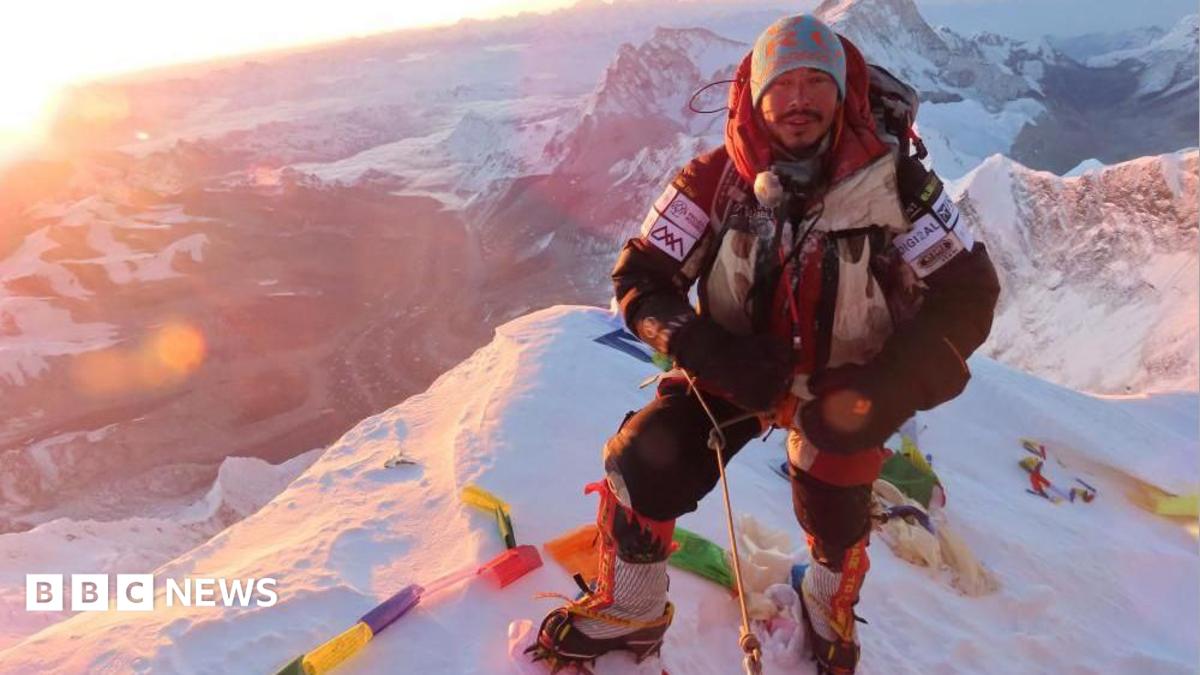
British-Nepali climber Nirmal Purja, who led the Broad Peak expedition, was best known for speed climbing the "14 peaks" Altogether, they summited Mount Everest dozens of times and achieved numerous feats previously thought impossible - like climbing 8,000m peaks without supplemental oxygen and scaling K2, one of the world's most lethal mountains, in the dead of winter. But beyond these accomplishments, the six Nepalis who died in an avalanche on Pakistan's Broad Peak last week also elevated the world's recognition of Nepali mountain guides, or Sherpas, who had previously been seen as mere aides. Among those killed was the decorated British-Nepali climber Nirmal Purja , best known for climbing the world's 14 highest peaks, rising above 8,000m (26,246 ft), in just over six months. Their fellow guides say their deaths deal a devastating blow to Nepal's mountaineering community. Kili Pemba Sherpa and Pur Bahadur Gurung, who were also guiding the Broad Peak expedition, were "strong climbers with a solid resume", Ayers said.
Missing media or need the complete publisher report? Open BBC World ↗
SN
Scoop News DeskMount Everest · Published Updated
Media link supplied by the Scoop Newsroom app.
Scoop News reporting summary
The text below was supplied by the Scoop Newsroom app. Third-party reporting is attributed in the source panel.
Emergency evacuations are also generally easier in the Himalayas, where there is an integrated network of rescue helicopters and aid outposts at high altitude, whereas the Karakoram range, being more isolated, features fewer accessible landing zones. "In the Pakistan mountains, getting the helicopters to base camp already takes a lot more effort, let alone flying them above high camps. "Therefore, the Sherpas who are capable of working in high-pressure situations, and who have diverse experiences and multiple skills are the ones who will operate in Pakistan," Nima Rinji says.