
The text below was supplied by the Scoop Newsroom app. Third-party reporting is attributed in the source panel.
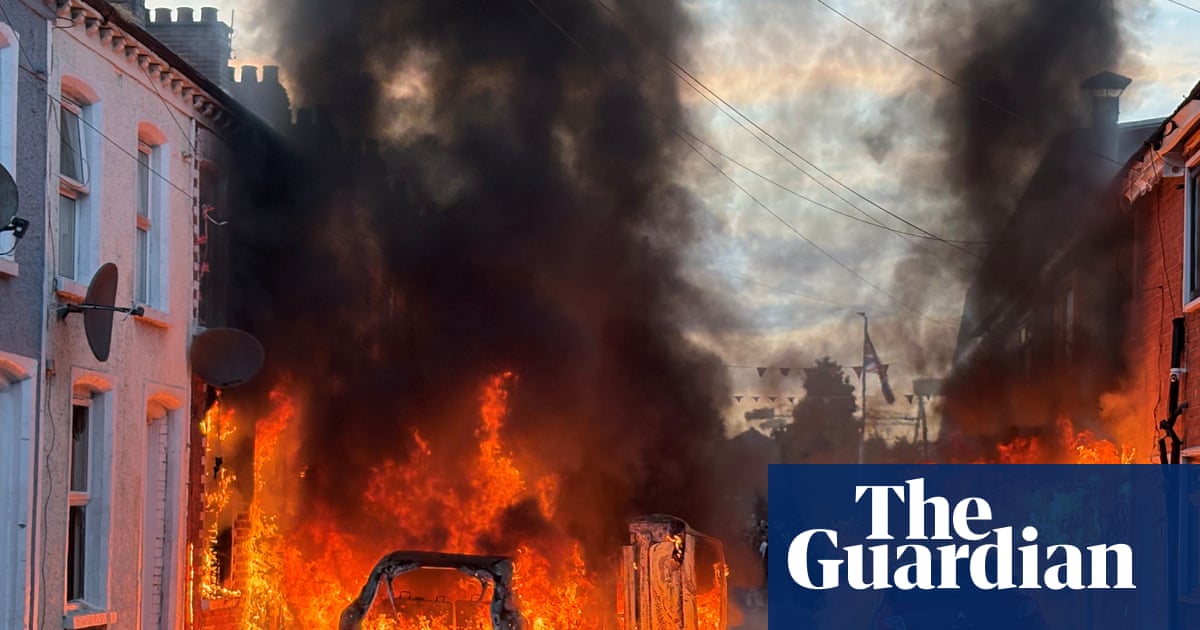
Through a combination of interviews with witnesses and people who responded to the unrest, on-the-ground reporting in loyalist strongholds and at far-right rallies in Northern Ireland, and analysis of messages sent by figures connected to the extreme right, the Guardian has established the most complete picture yet of how a single incident of horrific violence precipitated the crisis. Police had a suspect in custody – he was initially identified as a refugee from Somalia, later corrected to Sudan – but this did not stem a cascade of outrage. Despite a state-sponsored “transitioning” process, the Ulster Volunteer Force (UVF) and Ulster Defence Association (UDA) split into sub-groups that continued to deal drugs and coercively control communities. “Peace” walls between Catholic and Protestant neighbourhoods still stand, underlining the persistence of traditional sectarian divisions, but the waning IRA threat weakened loyalist paramilitaries’ claims to be community defenders, prompting them to seek a new bogeyman to justify their existence . “Loyalism has always been a reactionary ideology based on.
Breaking news moves fast. Follow @Will466513 on X for breaking news alerts. Follow on X →